Live Captioning for Events and Web Conferences
Adding captions to your video, event, livestream, or web conference can open the door to being more accessible. Captions can be made multilingual with the help of interpreters to really remove barriers from bilingual events for your guests in Ottawa-Gatineau and beyond. Captions can be displayed as an overlay directly on your main presentation screens, embedded into in-room video screens, or streamed to individual mobile devices. Caption placement and slide layouts can be configured to prevent any blockage of key content, so captions support the presentation instead of covering it.
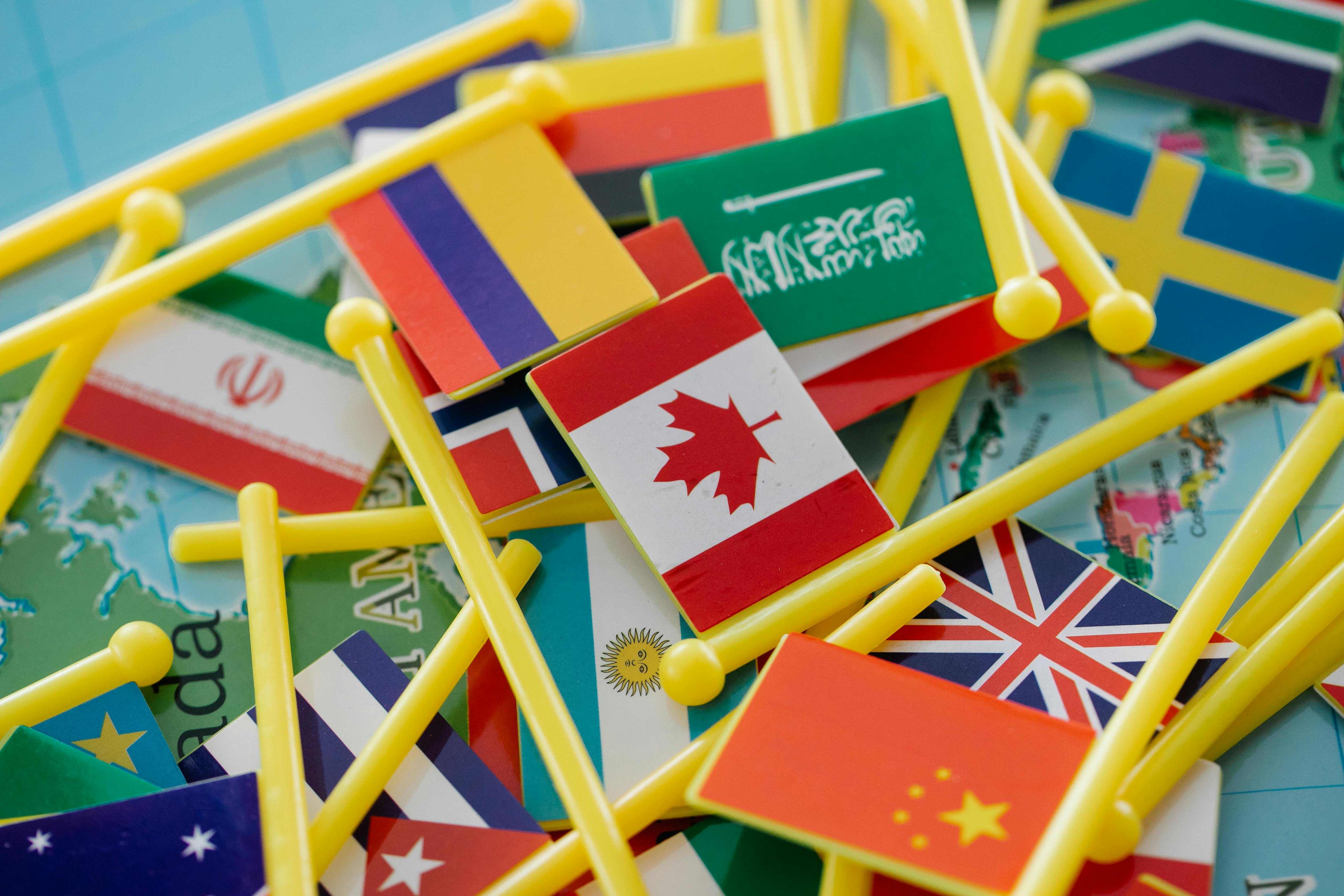
Bilingual and Multilingual Captioning
Captioning is one of the most cost-effective accessibility services we offer, since it requires no equipment rental for attendees, just a screen or streaming feed to display the text on.
Because we work alongside our own interpretation team, captions can be produced in both official languages, or paired with foreign language interpretation for international audiences. A French-speaking attendee can follow English remarks captioned in French in real time, and vice versa, without needing a separate audio channel. This is a common requirement for federal and provincial government events in the National Capital Region, where bilingual accessibility is often a legal expectation rather than a nice-to-have.
Human Captioners for Accuracy
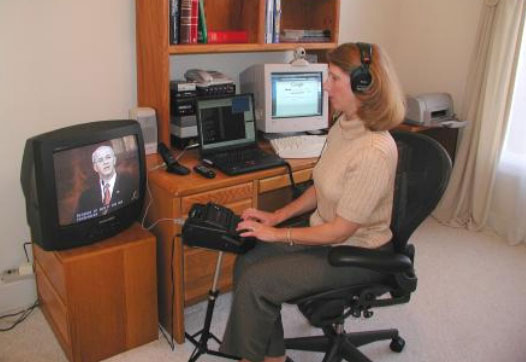
We provide human captioners to ensure accuracy and comprehension. Automated speech-to-text tools struggle with technical terminology, accents, overlapping speakers, and the fast pace of live discussion, all of which are common in conference and panel settings. Our captioners are trained to keep pace with live speech while preserving meaning, correct terminology, and proper names, producing a caption feed that reads naturally rather than a stream of transcription errors.
Delivery Options
Captions can be delivered in several ways depending on your venue and audience:
- On-screen overlay on the main presentation display
- A dedicated caption screen positioned separately from slides
- Streamed directly to attendees' phones or laptops for hybrid and virtual sessions
- Embedded into a livestream or web conference feed for remote viewers
After the Event
After the event, we can provide accurate time-stamped text files of the entire session. These files can be easily embedded into your recorded video archives or post-event media, extending the value of your presentations long after the live session ends. Time-stamped transcripts also make it straightforward to produce highlight clips, searchable meeting records, or accessible versions of recorded webinars.
Who This Service Is For
Closed captioning is a natural fit for public consultations, board meetings, conferences, and webinars that need to meet accessibility requirements or simply want to serve a wider audience, including attendees who are Deaf or hard-of-hearing, non-native speakers, and anyone watching in a sound-off environment. It pairs well with our ASL and LSQ interpretation and foreign language interpretation services for events that need full-spectrum language access.
Planning Your Booking
Let us know your event date, format, and whether you need single-language or bilingual/multilingual captioning, along with any technical vocabulary specific to your field so our captioners can prepare in advance. For events with prepared remarks or slide decks, sharing those materials ahead of time noticeably improves caption accuracy for names, acronyms, and technical terms.
Frequently Asked Questions
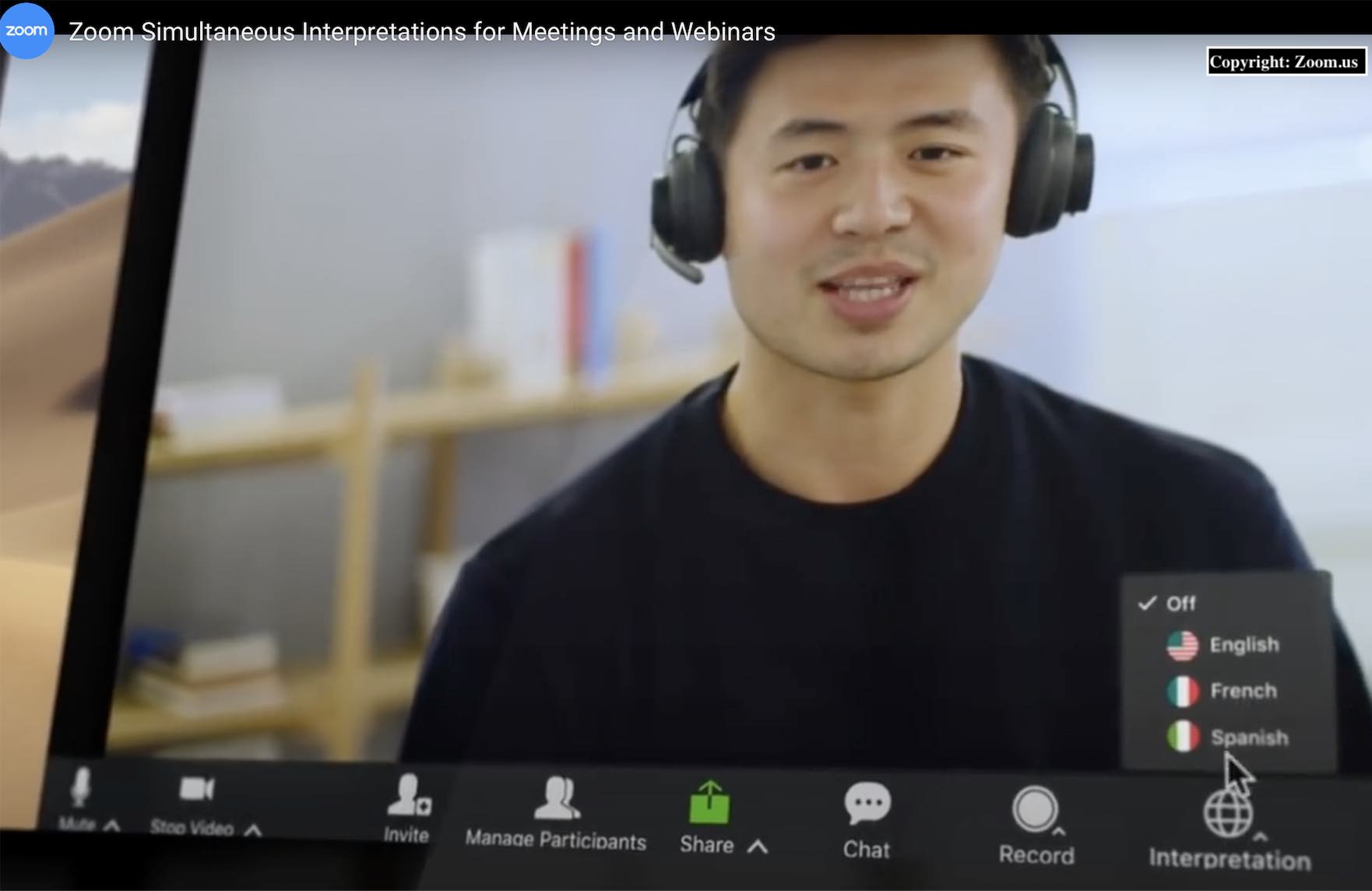
Is live captioning the same as auto-generated captions from Zoom or Teams? No. Platform-generated captions rely on automated speech recognition, which struggles with accents, overlapping speakers, and specialized vocabulary. Our human captioners consistently produce more accurate, readable captions, especially for government, legal, or technical content.
Can we get a copy of the captions after the event? Yes. We provide time-stamped text files after the session that can be used for archival records, accessible video re-publishing, or searchable meeting transcripts.
Do captions need to match the spoken language exactly, or can they be a different language? Both are possible. Same-language captions (English spoken, English captioned) support attendees who are Deaf, hard-of-hearing, or in a noisy or sound-off environment. Cross-language captions (English spoken, French captioned, or vice versa) work alongside our interpretation team and support bilingual audiences who prefer to read rather than listen to an interpreted audio channel.
What Makes Captioning Accurate
Caption accuracy comes down to preparation as much as skill. Before a live session, our captioners review any available materials, speaker names, slide decks, agendas, and technical glossaries specific to your field, so unfamiliar terms, acronyms, and proper nouns are captioned correctly rather than guessed at in the moment. During the session, captioners work in a controlled environment with a clean audio feed, which matters more than people expect; a poor audio source undermines even the most experienced captioner's accuracy. For longer sessions, captioners are scheduled in relief shifts, similar to how interpreters rotate, so caption quality doesn't degrade over a full-day event. This combination of preparation, clean audio routing, and proper staffing is what separates dependable live captioning from a rough, error-filled transcript.
Need Closed Captioning?
Tell us about your event and we'll put together a quote.