Localizing Your Video Content
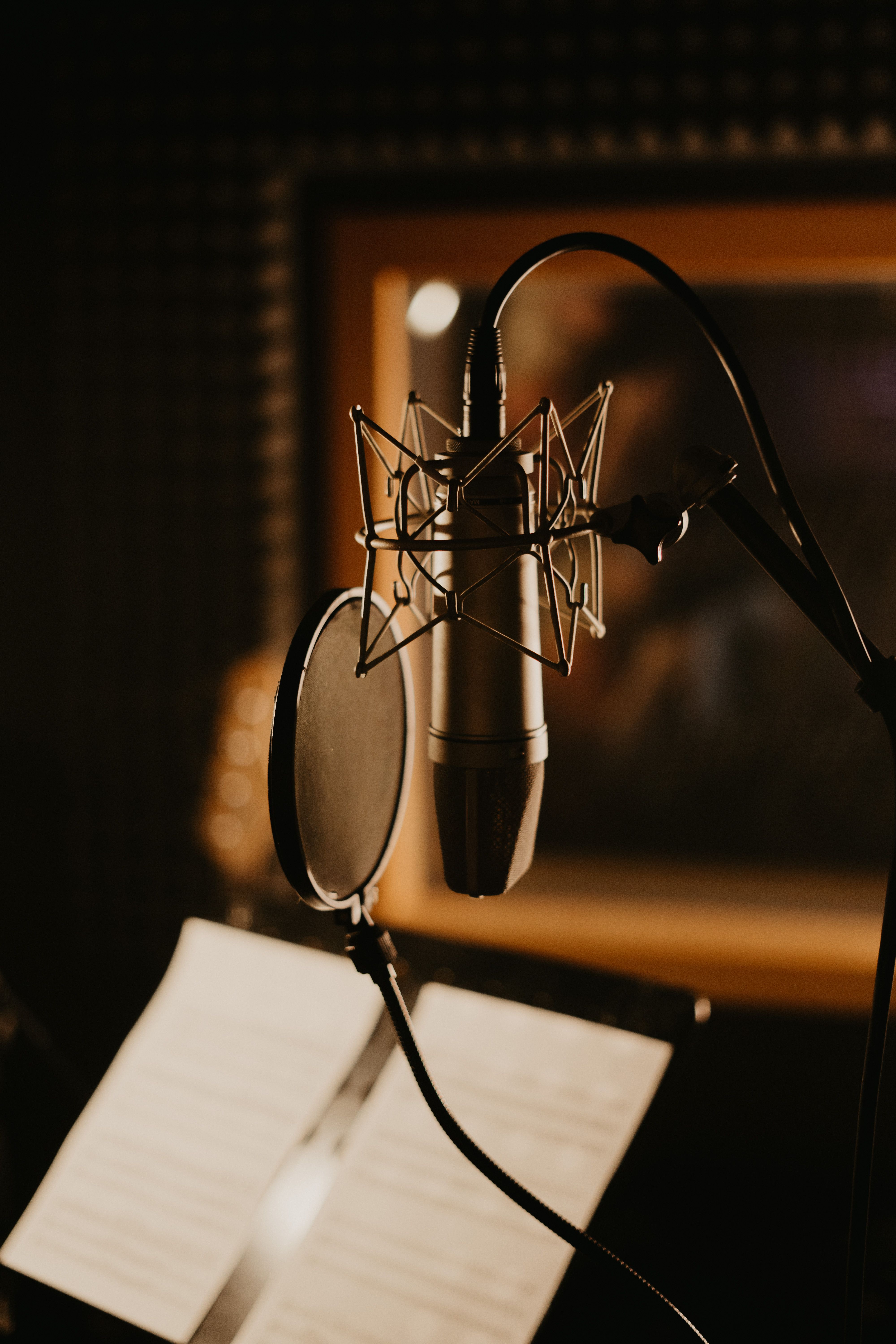
Dubbing is a great way to break down language barriers and adapt your video assets for both official languages and more. We carefully translate and record replacement audio for your videos so you can be heard by a bigger, more diverse audience, whether that's a training series, a public information video, or marketing content aimed at new markets.
How the Process Works
We work with expert interpreters and translators to ensure your words are accurately conveyed, not just word-for-word but in a way that reads naturally when spoken aloud in the target language. Script translation is reviewed for tone, pacing, and cultural fit before recording begins, so the dubbed track feels like it was written for that audience in the first place rather than translated after the fact.
Voice Matching
We also have a good sample of different non-AI voices to match your original speaker's tone, register, and delivery style. The result is a polished, professional multi-language video asset that preserves the original pace, tone, and message, something that robots can't replace. Human voice talent brings inflection, emphasis, and emotional nuance that synthetic voices still struggle to reproduce convincingly, particularly for corporate messaging where credibility matters.
Common Use Cases
Dubbing is a good fit for organizations in Ottawa-Gatineau and across Canada that need to:
- Localize English content into French, or French content into English, to meet bilingual communication requirements
- Adapt training or onboarding videos for multilingual workforces
- Prepare marketing or public information videos for new language markets
- Refresh archival video content with updated, accurate narration
From Script to Final Cut
Our team can support the full pipeline, from translating the original script, casting an appropriate voice, recording clean replacement audio, and syncing the new track to picture. If your video already exists and only needs a new language track, we can work directly from the source file; if you're starting from scratch, we can coordinate with our corporate video production team to plan a multilingual video from the outset.
Why Choose Professional Dubbing?
A dubbed video only works if the audience forgets they're watching a translation. That takes accurate translation, a voice that fits the speaker, and careful attention to pacing so the new audio lines up naturally with what's on screen. Working with experienced interpreters and voice talent, rather than automated tools, is what keeps the final result sounding like a real, professionally produced piece of content.
Planning Your Project
Turnaround time depends on video length and the number of target languages. Share your source video, existing script if available, and target language(s) when requesting a quote, and we'll estimate translation, recording, and syncing time. For projects with tight timelines, let us know up front so we can plan voice talent availability accordingly.
Frequently Asked Questions
Can you dub a video that doesn't have a written script? Yes. If no script exists, we can transcribe the original audio first, then translate from that transcript, which also gives you a written record of the original content in both languages.
Do you offer subtitles instead of, or alongside, dubbing? Yes. Some projects call for subtitles rather than replacement audio, and others benefit from both. We can advise on which approach suits your content and audience, whether that's a training video watched with sound on, or social content often viewed muted.
Quality Review Before Delivery
Before any dubbed video is delivered, we review the finished cut against the original for accuracy, timing, and audio quality, checking that the new track is properly synced to picture, that levels are consistent throughout, and that nothing was lost or altered in translation. For projects in both English and French, this review is done by a second set of ears fluent in the target language, not just the person who recorded the translation, so errors are caught before you receive the final file rather than after it's already been distributed.
Keeping the Original Message Intact
The biggest risk in any dubbing project is losing meaning or tone in translation. A literal, word-for-word translation often sounds stiff or unnatural when read aloud, so our process involves a second pass focused specifically on how the script sounds spoken, not just how it reads on paper. We also flag anything culturally specific in the original, an idiom, a reference, a joke, that won't land the same way in the target language, and work with you to find an equivalent that keeps the intended tone rather than translating it literally into something confusing. For corporate messaging in particular, where an executive's credibility rides on how the message comes across, this attention to natural phrasing and appropriate tone is what separates professional dubbing from a rough automated translation with a voice layered on top.
Need Dubbing?
Tell us about your event and we'll put together a quote.


